
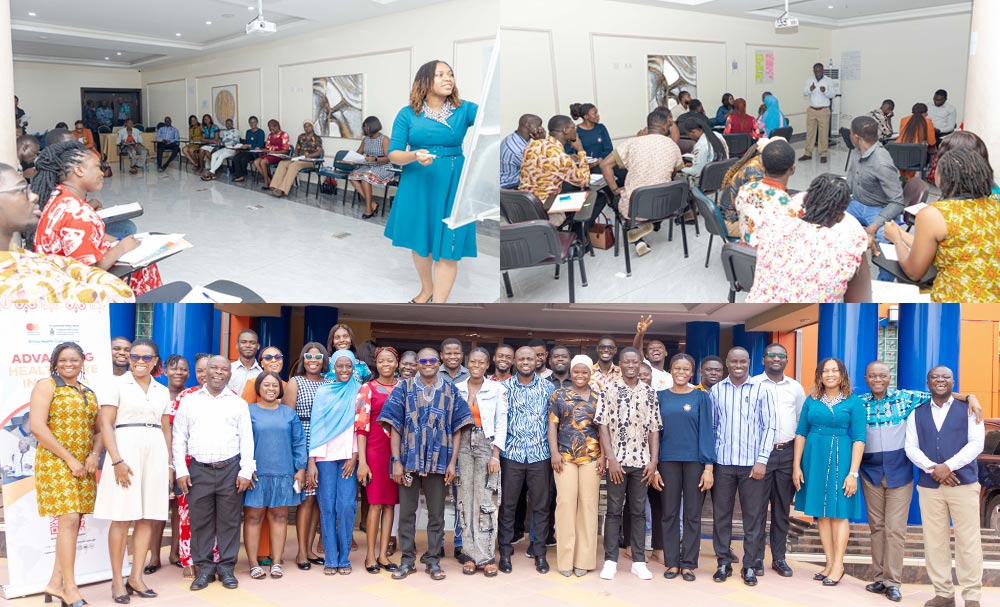
The Africa Health Collaborative at the Kwame Nkrumah University of Science and Technology, Kumasi (KNUST) has launched a 10-day Community-Based Training (CBT) programme in Health Entrepreneurship for its second cohort of trainees for the year.
The programme marks the eighth cohort since its inception and forms part of the fourth year of the initiative delivered in partnership with the Mastercard Foundation.
The training aims to equip health professionals with entrepreneurial skills that complement their clinical expertise, enabling them to develop innovative solutions that strengthen health systems and improve community health outcomes.
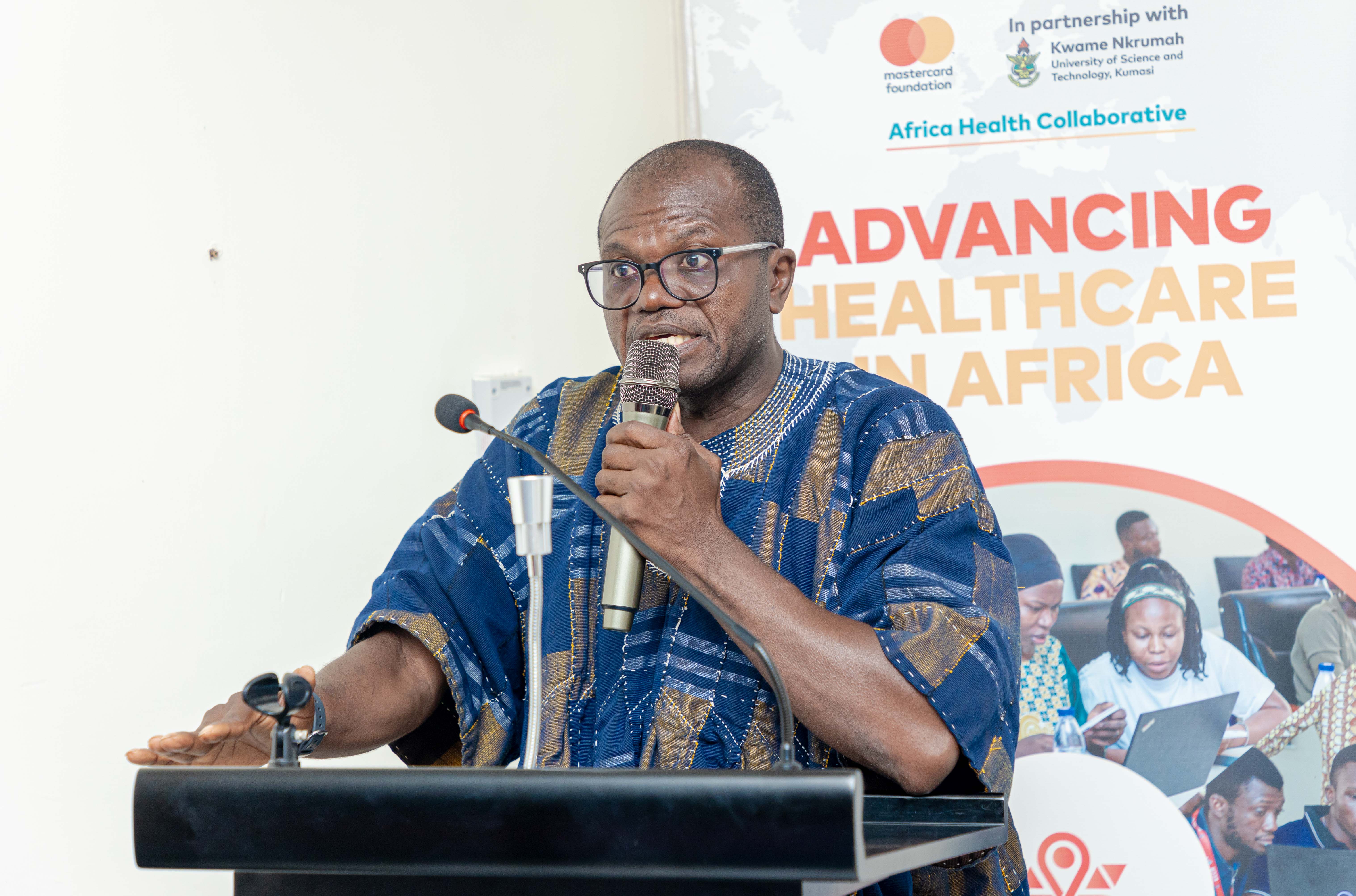
In his opening remarks, Prof. Wilberforce Owusu-Ansah, Lead of the Health Entrepreneurship Pillar under the Africa Health Collaborative at KNUST, welcomed participants and emphasised the transformative vision of the programme.
He noted that the initiative, designed to span ten years, seeks to empower healthcare professionals to expand their impact beyond traditional clinical roles by integrating entrepreneurship into health practice.
Prof. Owusu-Ansah highlighted the critical role health workers play in transforming the health sector, explaining that while their clinical expertise is essential, entrepreneurial knowledge provides additional tools to develop innovative products, services and systems that address emerging health challenges.
According to him, the programme encourages participants to harness their existing knowledge and complement it with entrepreneurial thinking to generate ideas that can strengthen the health sector in Ghana, across Africa and globally.
“We are empowering you and investing in you because health workers are central to transforming society. By combining your health expertise with entrepreneurial skills, you can identify opportunities and develop solutions that bring meaningful transformation to the sector,” he said.
Prof. Owusu-Ansah also noted that several innovative business ideas and health technologies have emerged from previous cohorts, with continued support provided to participants to develop and scale their initiatives.
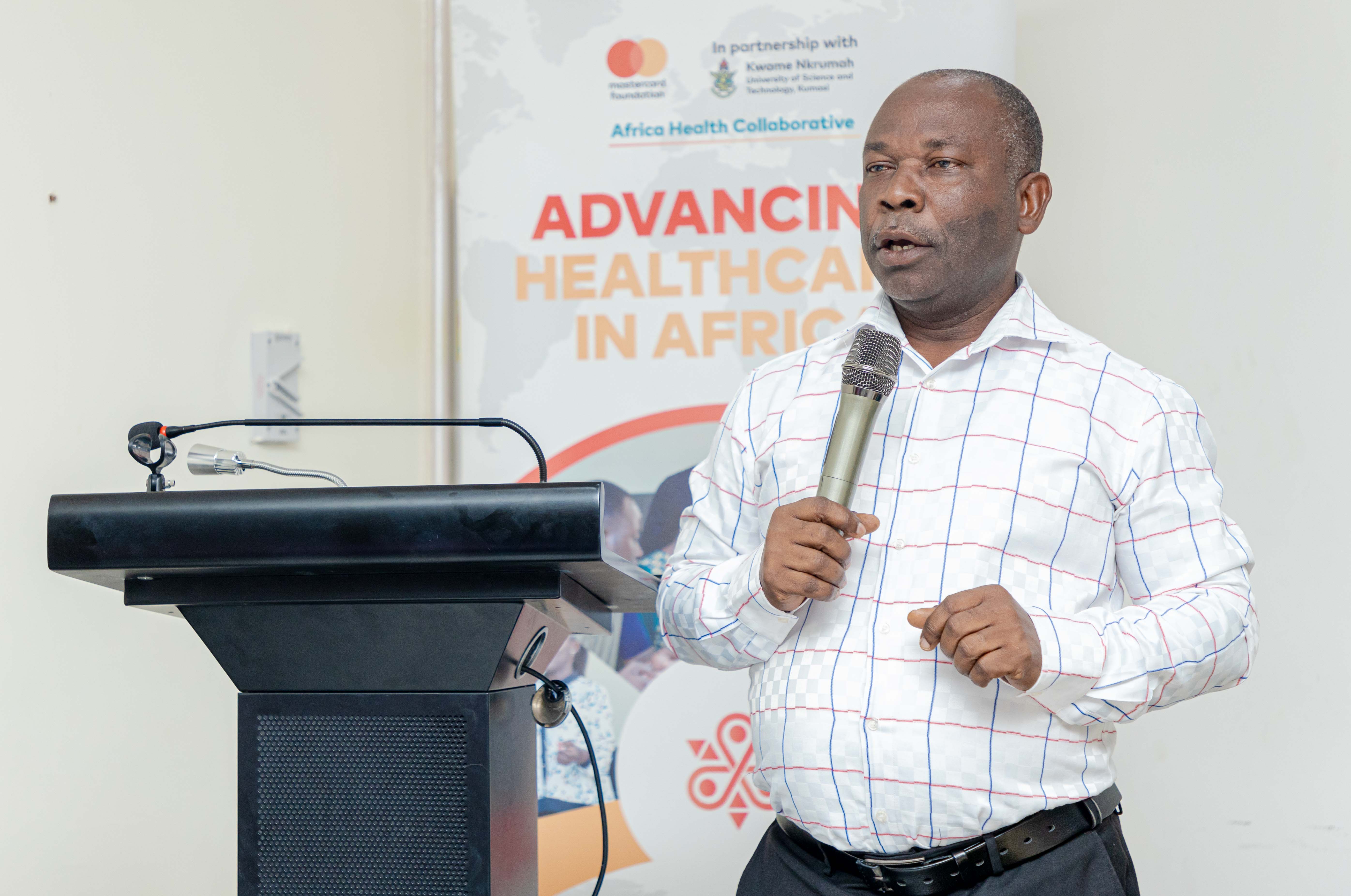
Speaking at the programme, Dr. Eric Adjei Boadu, Monitoring and Evaluation Lead of the project, encouraged participants to embrace innovation and lead change within their communities.
Drawing on diffusion-of-innovation theory, he explained that in many groups only a small proportion of individuals typically lead innovation while others gradually adopt new ideas.
He therefore challenged participants to exceed this expectation by ensuring that every member of the cohort actively develops innovative solutions and business plans capable of attracting funding and driving impact in the health sector.
“We want all of you to be innovators. When you return to your communities, we expect each of you to apply what you have learned and develop solutions that address pressing health challenges,” he said.
Participants expressed enthusiasm about the opportunities the training offers to transform their professional practice and community impact.
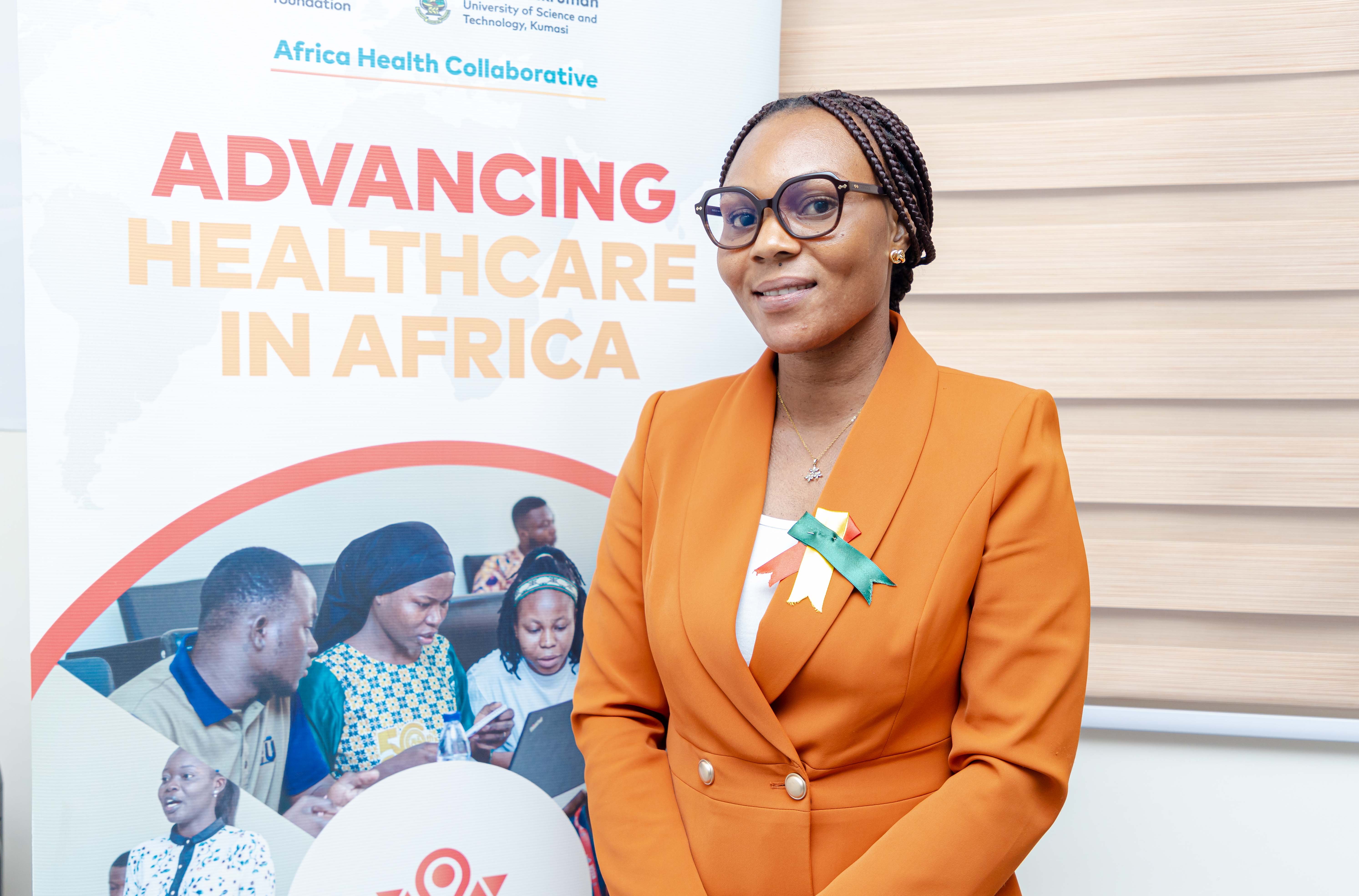
Ms. Ivy Dunyo, a Dietitian at Catholic Hospital Battor in the Volta Region said her work focuses on nutrition interventions aimed at improving health outcomes in communities.
She said the programme would help translate health knowledge into practical, community-focused solutions.
“Entrepreneurship is a powerful tool that can help turn health knowledge into practical solutions that improve the health of our people. I am excited to collaborate with other health workers to develop meaningful solutions to the challenges we face in our communities,” she said.
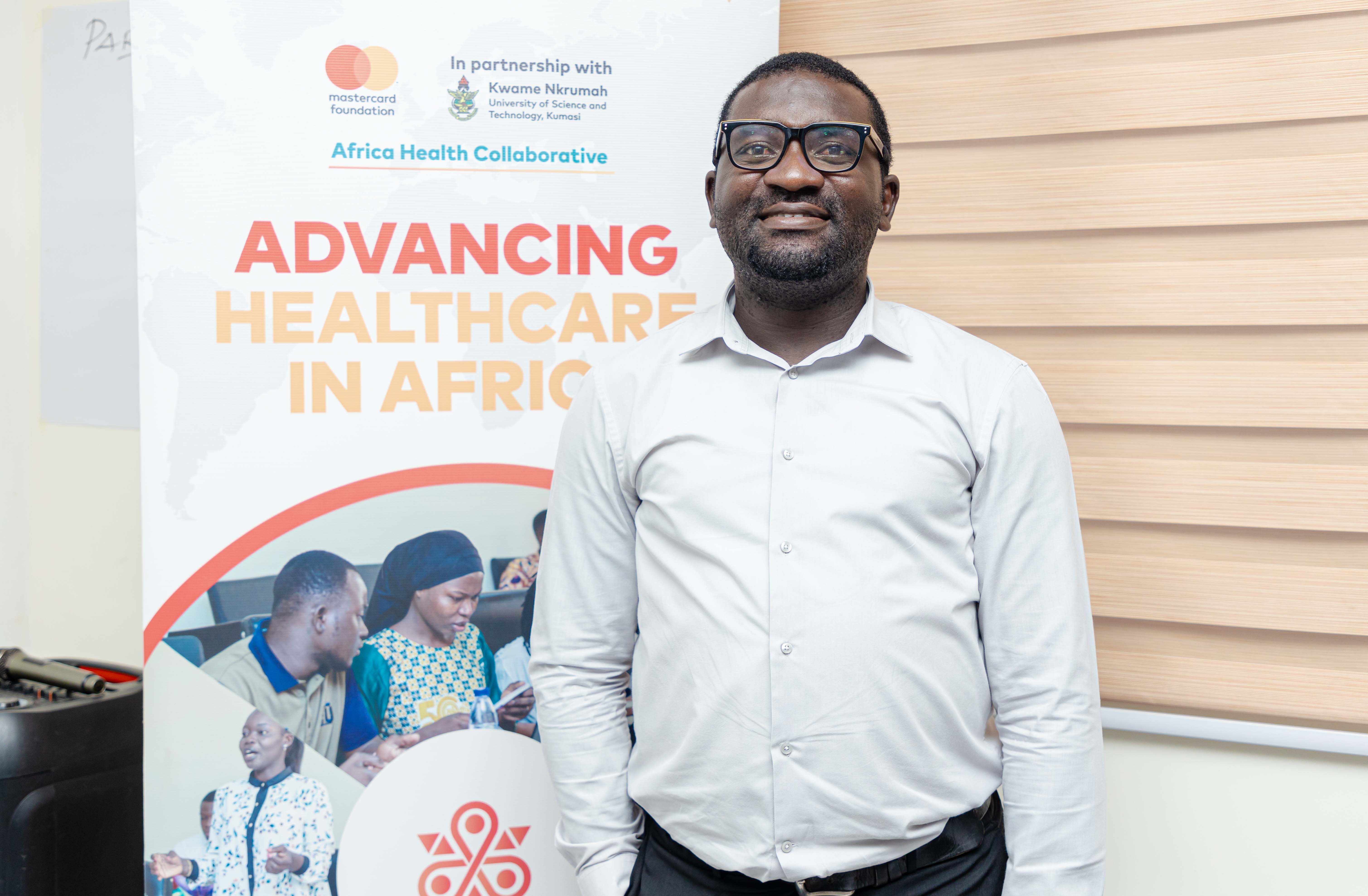
Similarly, Mr. Andrew Mintah, a Senior Nursing Officer at St. Michael Catholic Hospital Pramso, said the training would help participants explore new ways of adapting health practices within their facilities.
He expressed optimism that the programme would broaden participants’ understanding of entrepreneurship, including its various forms, potential challenges and the opportunities it presents for innovation in healthcare delivery.
Story and Photo by: Emmanuel Offei


